
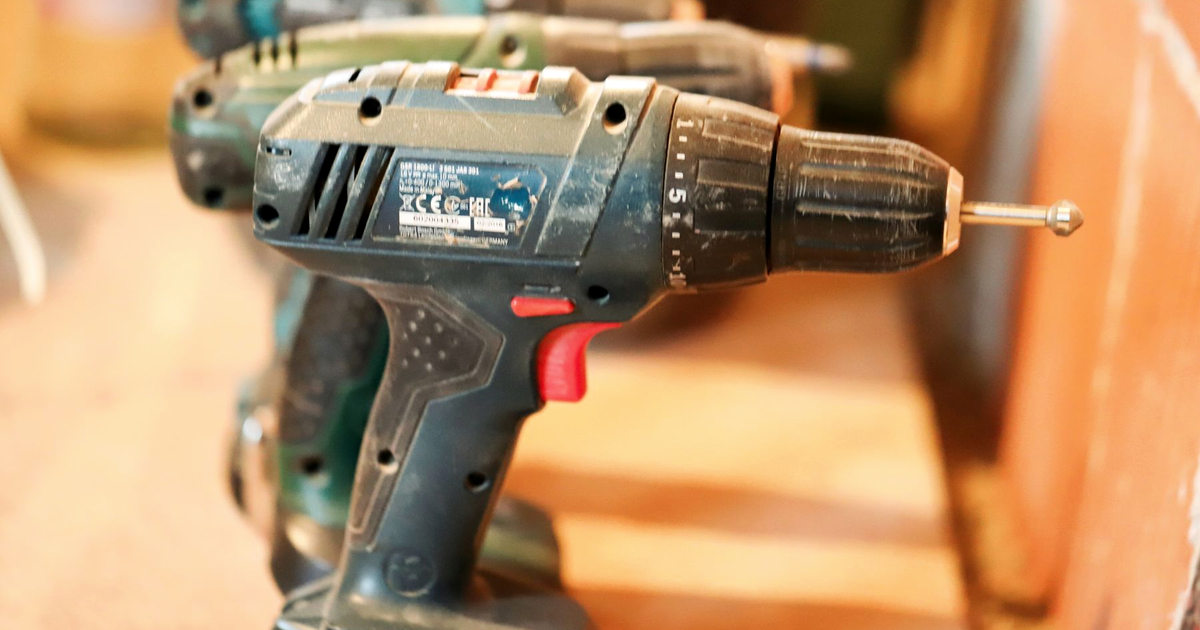
Cordless tools are not really individual purchases anymore. They are ecosystem purchases. Once you own several batteries, chargers, and bare tools, switching brands gets expensive.
Question one: does the employer provide power tools?
If the answer is yes, you may not need to buy a personal drill or impact at all. Put that money toward the hand tools, boots, transportation, or other items you actually need.
Question two: what platform does the crew use?
If personal tools are expected, matching the dominant shop platform can simplify batteries, chargers, and emergency swaps. It can also make bare-tool purchases much cheaper later.
Do not buy the entire catalog
An apprentice does not need to own every cordless saw, grinder, knockout tool, vacuum, light, and specialty attachment just because the platform offers it. Start with the tools the employer actually expects you to provide.
Some tools should remain contractor assets
Rotary hammers, larger saws, battery knockout systems, cable-pulling equipment, and specialty tools often belong in the shop inventory. Employer ownership keeps maintenance, replacement, and work procedures under company control.
When it makes sense to buy
Once you know the employer’s expectations, your work type, and the battery platform, buying a drill/driver and impact can be reasonable. At that point you are buying into a system intentionally instead of guessing.
Ask the shop before you buy the batteries.
Browse Power Tool Guidance →See platform guidance before you commit to batteries, chargers, and tools.